Branded

Three case studies. Built at Learfield Studios.

Campaigns, onboarding, and the structure behind how the work runs.

Case 01 · Scaling campaigns

Three campaigns. One model. 7 schools to 36.

Context

College athletic departments live or die by social, but most operate as siloed brands. Learfield Studios sits across 40+ Power 5 programs as a centralized creative resource.

As Manager of Social Content, I led a team of specialists and producers across that system. The question I owned: when something works at one school, what does it take to run it at twenty? At forty?

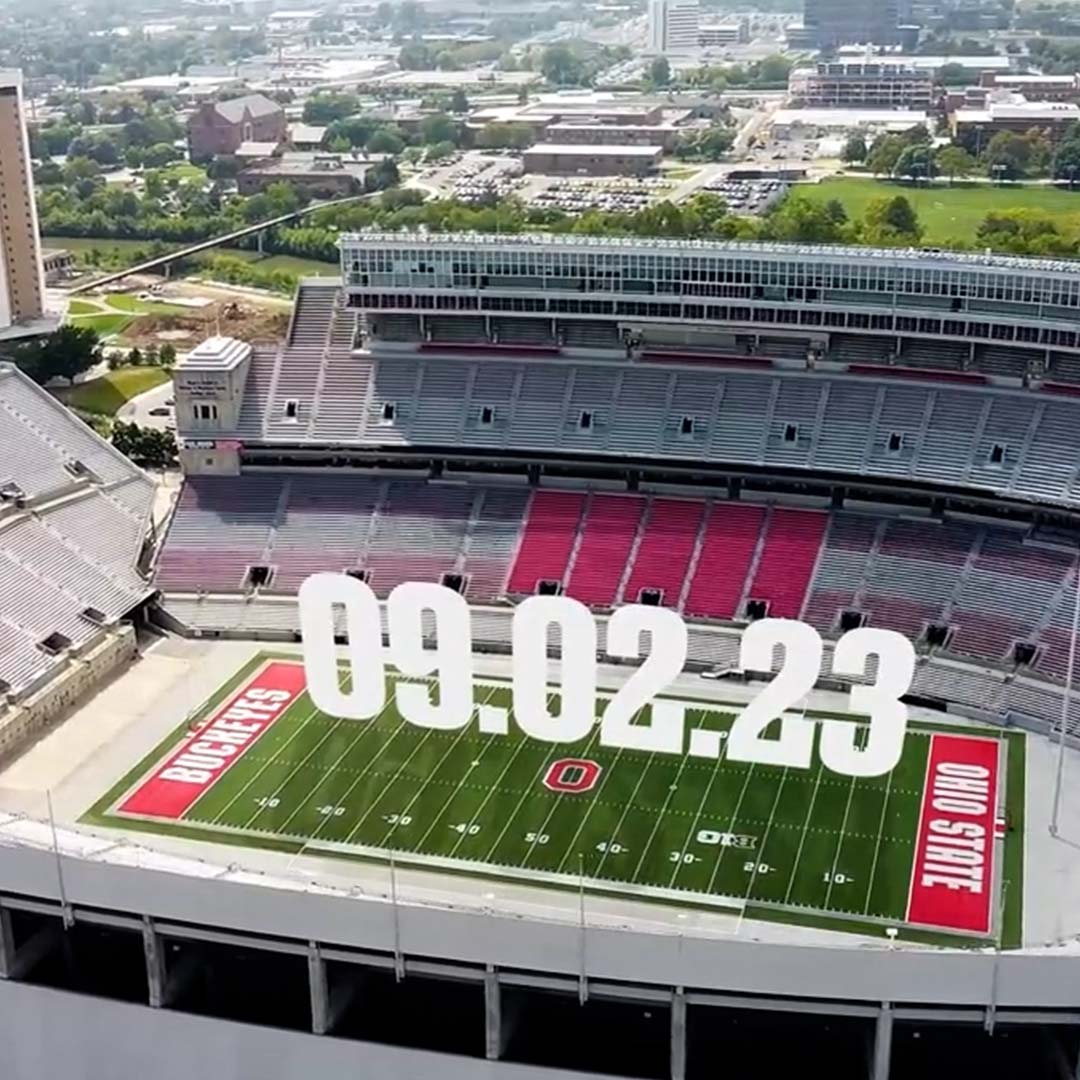
I led the build and scaling of three cross-property campaigns: March Means, Countdown to Kickoff, and From Every Angle. Each designed to repeat across schools without losing local identity.

Problem

What worked at one school didn’t translate cleanly to twenty. Each new partner required custom setup. Execution broke as participation grew. Without shared infrastructure, success at one property became friction at scale.

Approach

Each campaign followed the same model: pilot, build the infrastructure, then scale.

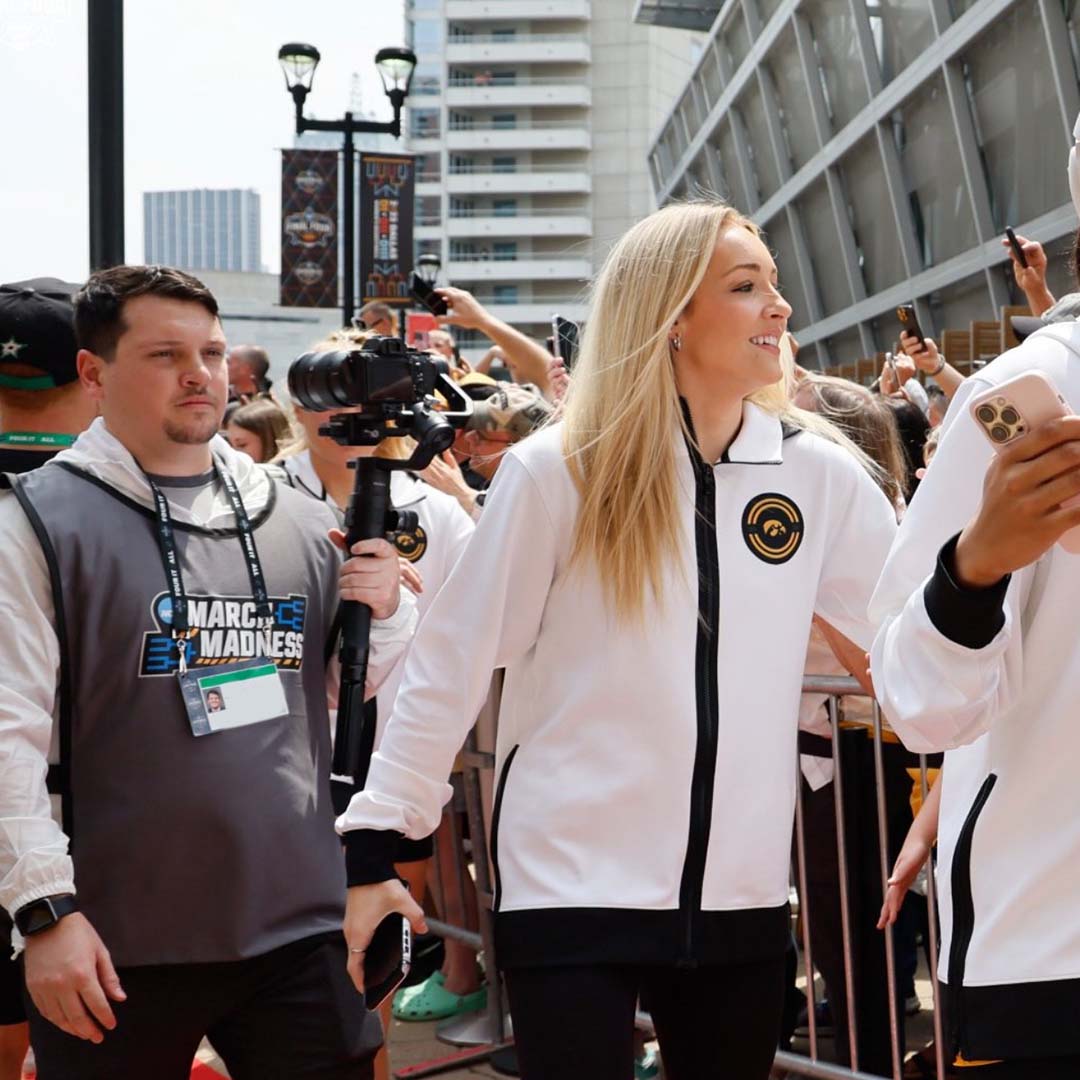
March Means grew from 7 to 14 schools and 40+ athletes in a year. Countdown to Kickoff expanded from 20 to ~36 schools. From Every Angle delivered 18+ episodes across 8+ programs in its first window.

The shift was in how the work was structured. I built reusable one-sheeters, opt-in trackers, and fulfillment dashboards so each new property entered a system that already worked.

The infrastructure became the deliverable. That’s what allowed the work to scale without rebuilding each time.

Results

Three campaigns. 40+ schools. 2M+ impressions.

March Means, Countdown to Kickoff, and From Every Angle scaled from single-property pilots into repeatable formats used across the network. Each campaign expanded year-over-year without rebuilding from scratch, maintaining local voice while running on shared infrastructure.

March Means

1.1M impressions (+180% YoY)

740K views (+228%)

82K engagements (+264%)

7 → 14 schools · 40+ athletes featured

Countdown to Kickoff

20 → ~36 schools (+80% participation)

2M+ impressions

From Every Angle

18+ episodes across 8+ programs

Insight

If it only works once, it isn’t a model.
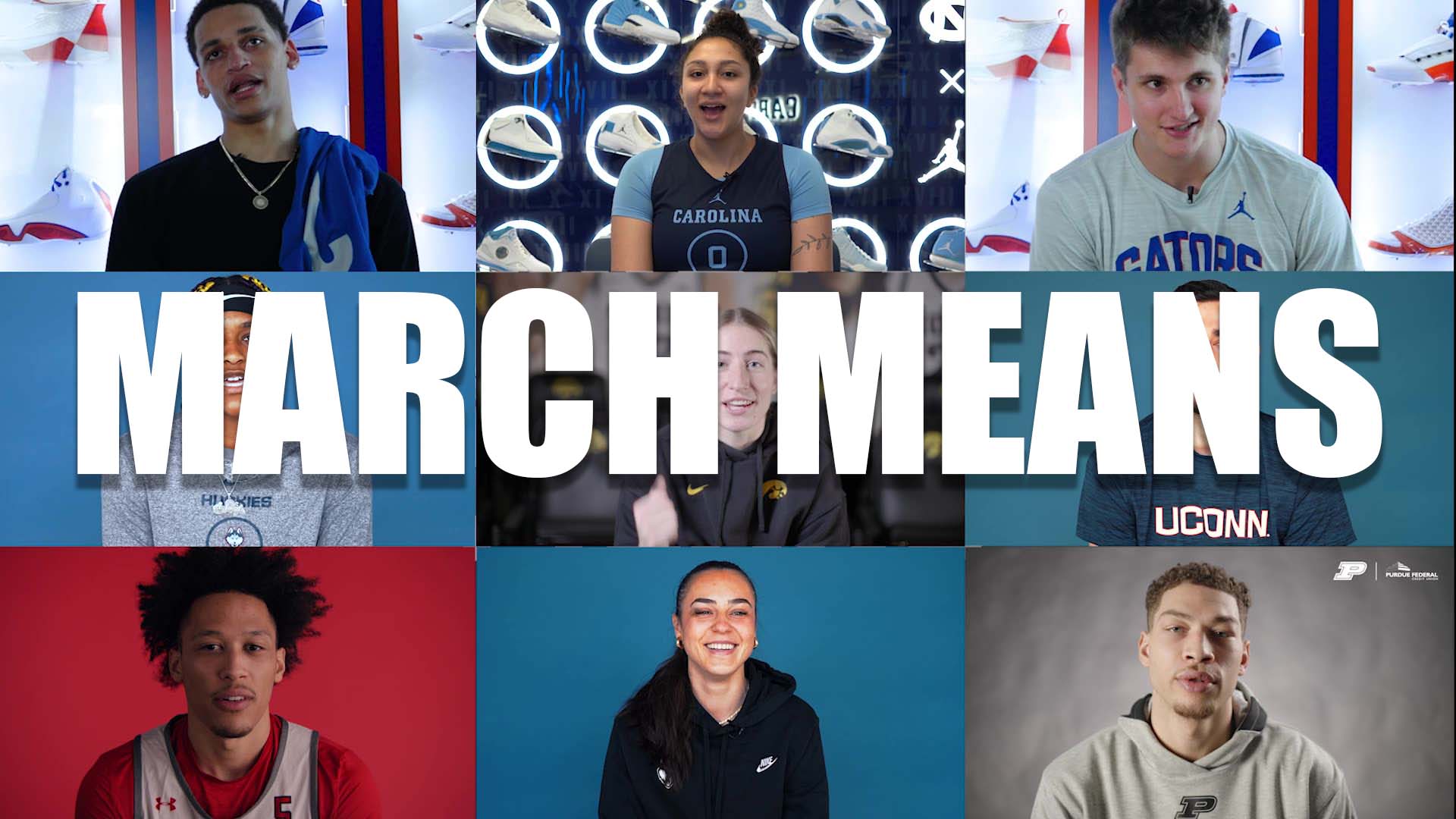
March Means Y2 Compilation

Role: Editor March Means Y2 Compilation · Watch on YouTube

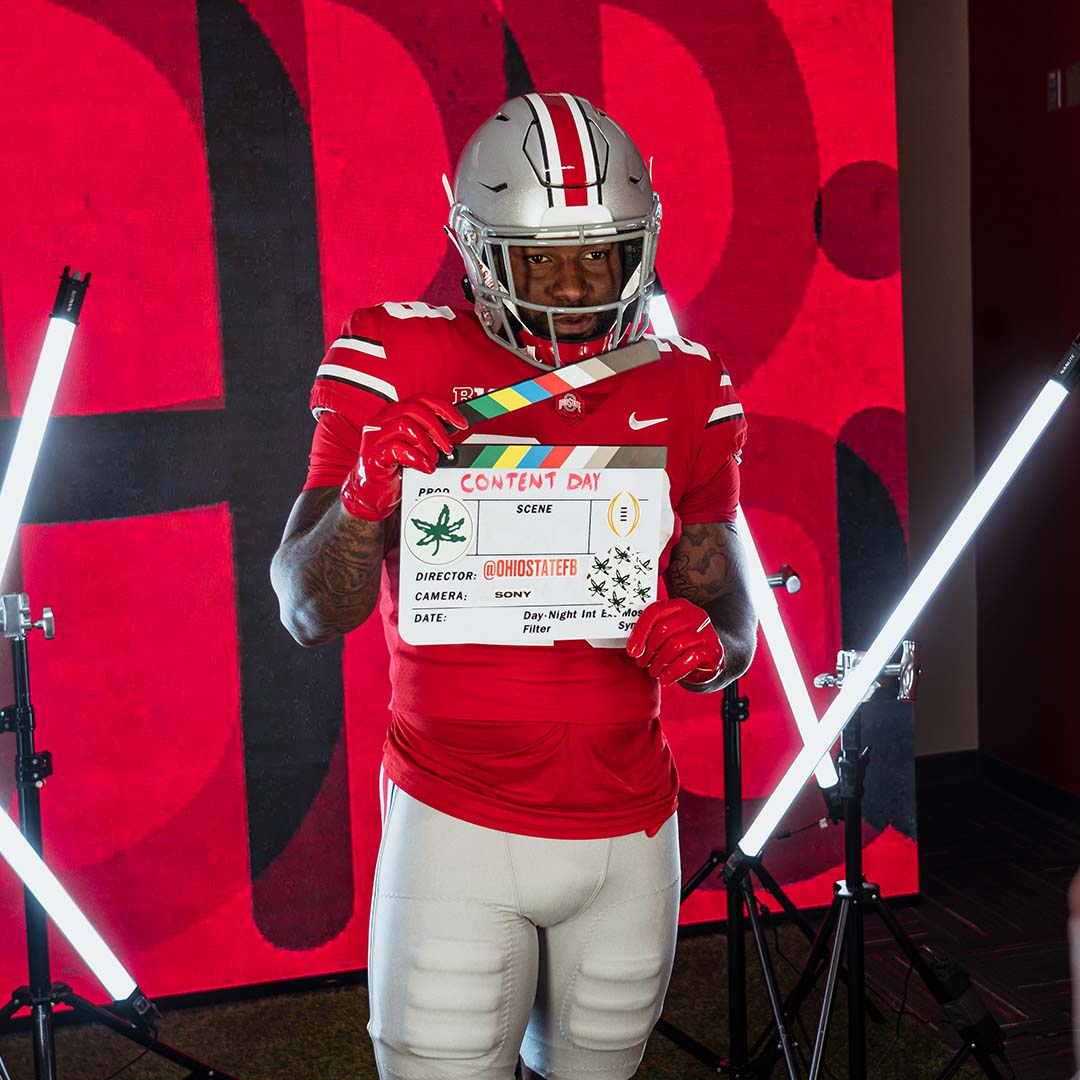
BTS · Shoot day
BTS · On-set
BTS · Travel day

Case 02 · Scaling teams

Don’t hire faster. Ramp better.

Context

As LF Studios expanded, onboarding that worked one-on-one stopped working at scale. New hires and new properties were ramping differently, and the fluency required to run multi-property campaigns wasn’t carrying over fast enough.

This wasn’t a documentation problem. It was an operating problem.

Problem

The knowledge that took years to build wasn’t transferring fast enough. Onboarding depended on who ran it. Each new hire got a slightly different version of the role. Inconsistency at the start showed up in the work.

Approach

I rebuilt onboarding around how people ramp.

Layer 1. Timeline.

A structured checklist across four windows: Before Day One, First Week, First Month, First Year. Each stage defined responsibilities and named the right cross-functional contacts so every hire had the same foundation.

Layer 2. Role & Property Decks.

Role-specific decks for specialists across properties and more senior roles like Supervising and Executive Producer. They broke down how the system worked: reporting lines, commercial models, real campaign examples, and the tools behind the work. The goal was clarity, not completeness.

Layer 3. Community.

The job can feel isolating. Many hires are placed on-site as the only creative, expected to lead within a sales-driven environment. To counter that, we built a peer network across 40+ creatives. The Welcome Wagon connected new hires with others in similar roles and created space for informal questions and shared context.

The difference wasn’t just structure. It was making sure people weren’t figuring it out alone.

Results

Onboarding shifted from individual approach to shared system.

Role- and property-specific decks became the standard ramp for new hires and new properties. A shared formats list (22 formats) gave sales and content teams a common framework. The Welcome Wagon became a consistent early touchpoint across the network. Through Culture Catalyst, a monthly leadership group I led, these approaches were shared and adopted across teams.

Insight

Consistency doesn’t come from people. It comes from how you bring them in.

Onboarding deck cover · Houston

Case 03 · Scaling workflows

40 schools. One way of working.

Context

Behind every multi-property campaign is the operational work that makes it possible.

At Learfield, I owned content operations across 40+ collegiate athletic properties, building the infrastructure behind how campaigns were planned, executed, and delivered.

The output wasn’t a single piece of content. It was the system that made all of it possible.

Problem

At scale, fragmentation was the default. Teams worked on different timelines. Sales, content, and athletics weren’t aligned. What worked at one school broke at another, and it was hard to trace the root.

Every issue became a one-off fix. Nothing carried forward.

Approach

I focused on three areas.

Visibility.

A shared Airtable system that mapped every property, campaign, and deliverable in one place. Leadership could see the pipeline instantly. Without it, every update was a meeting.

Execution.

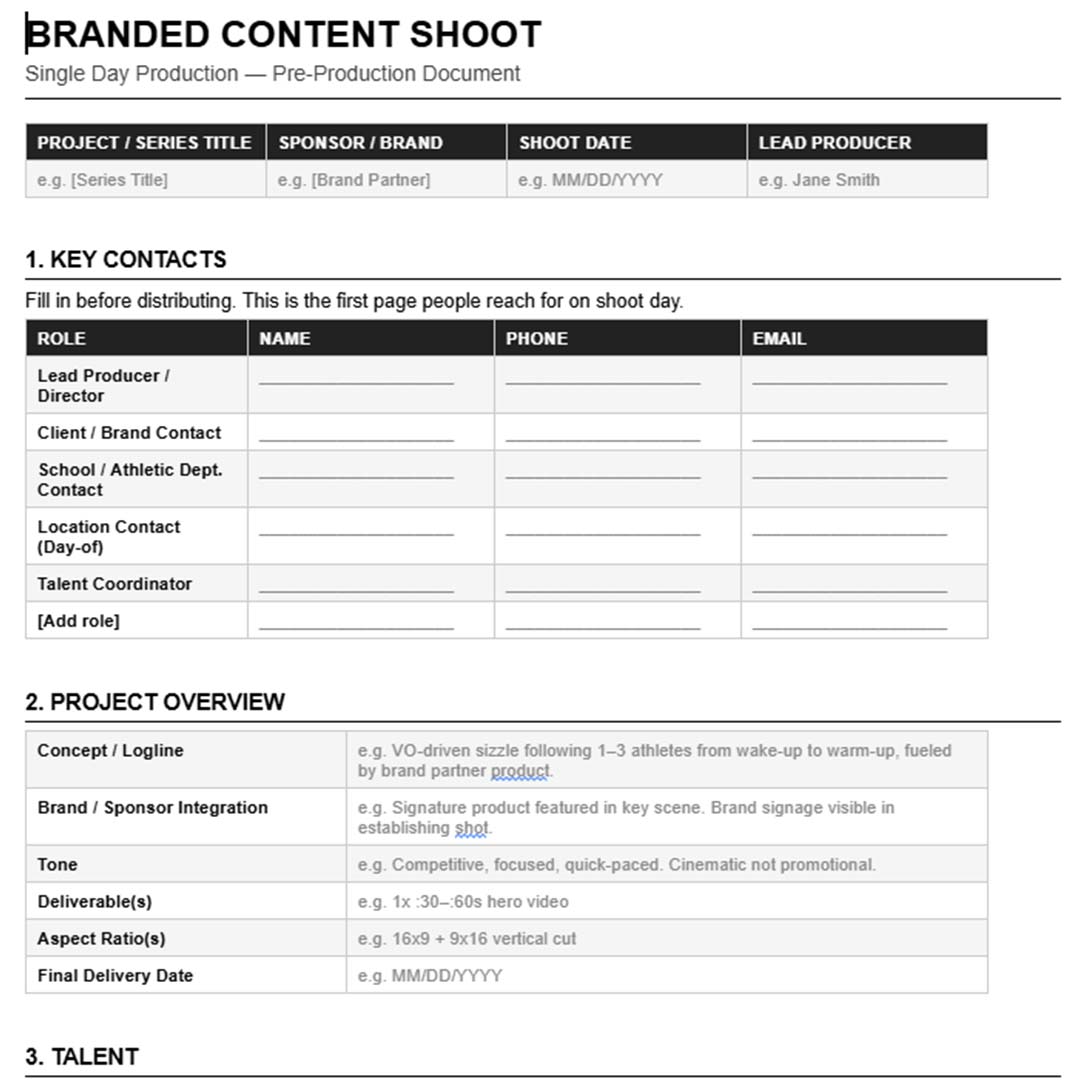
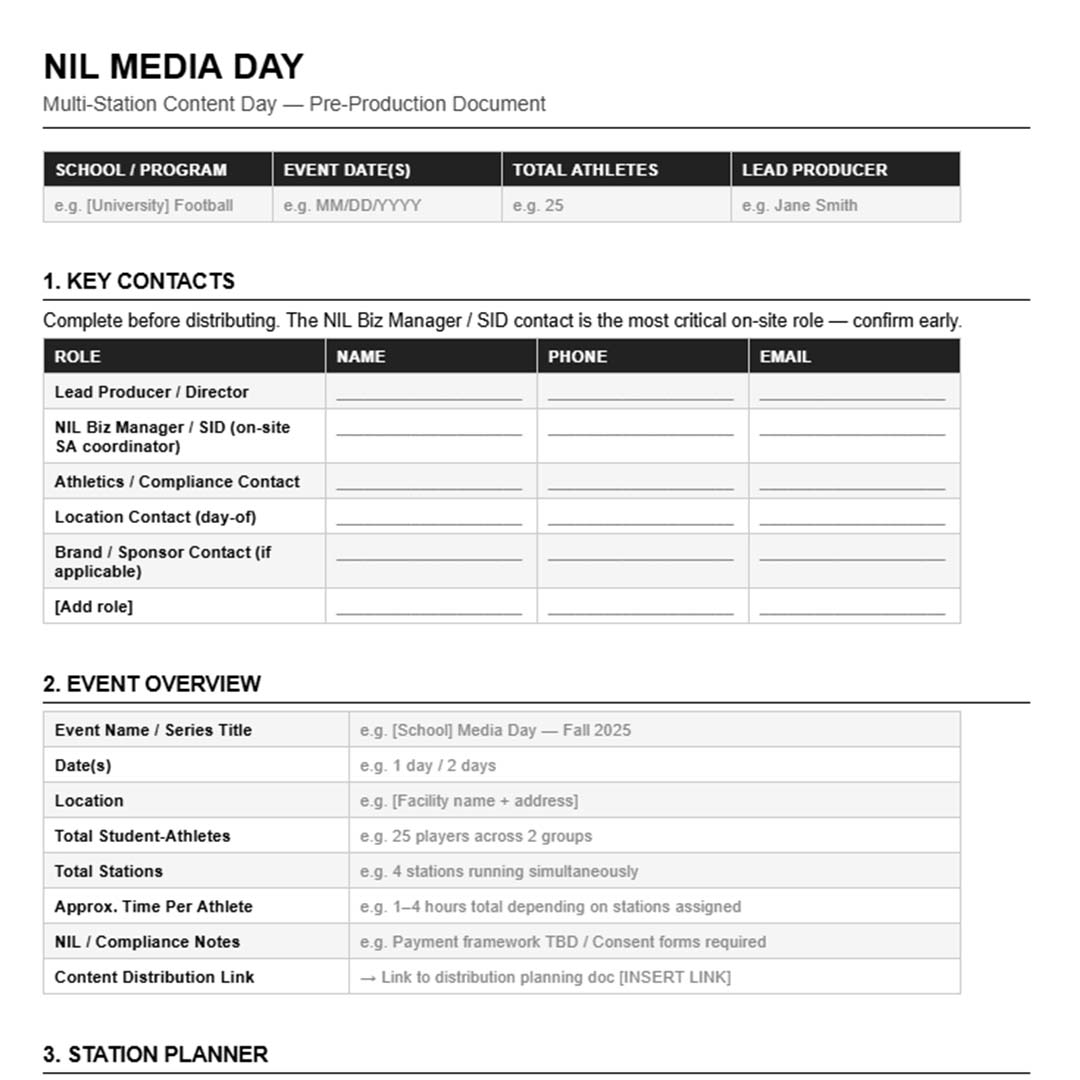
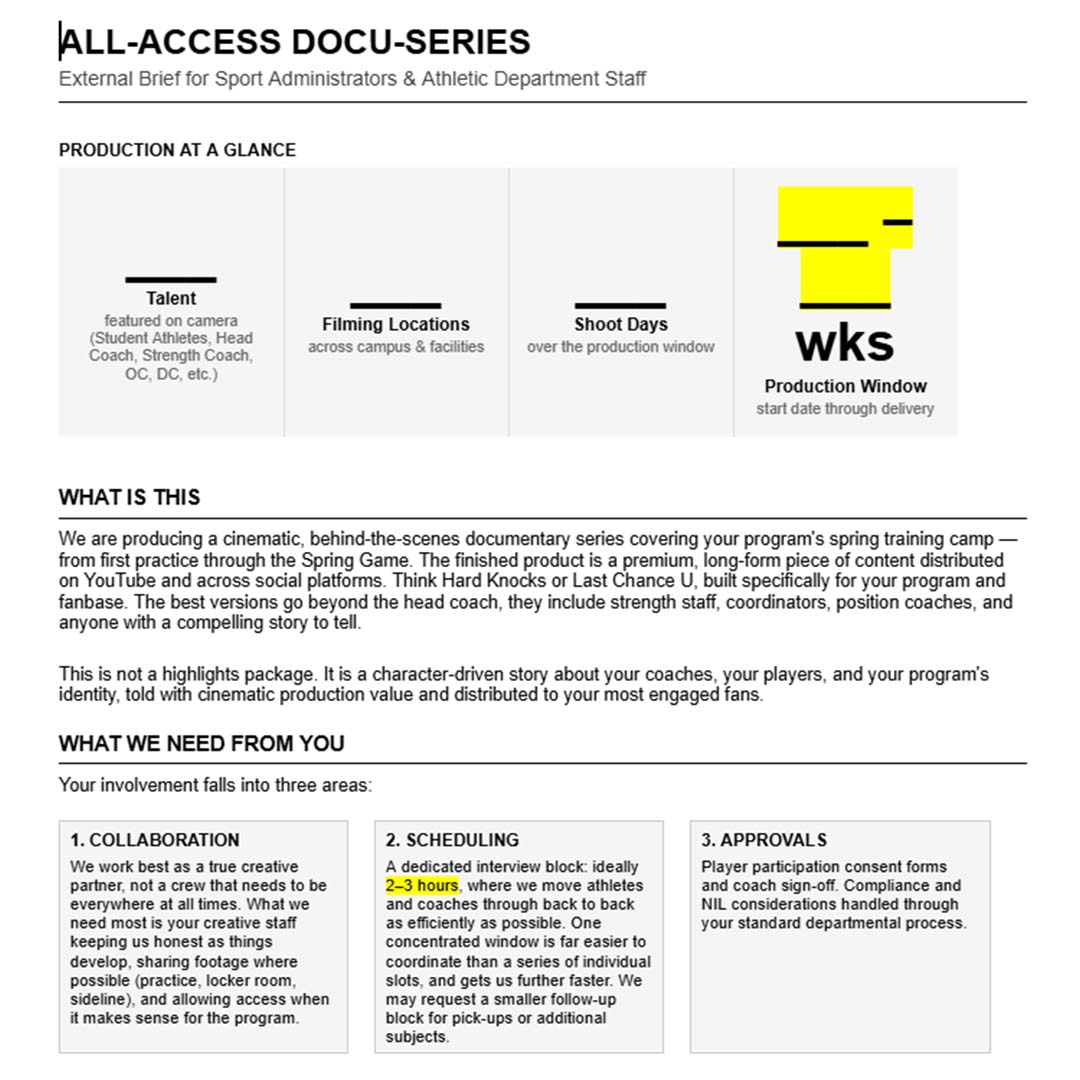
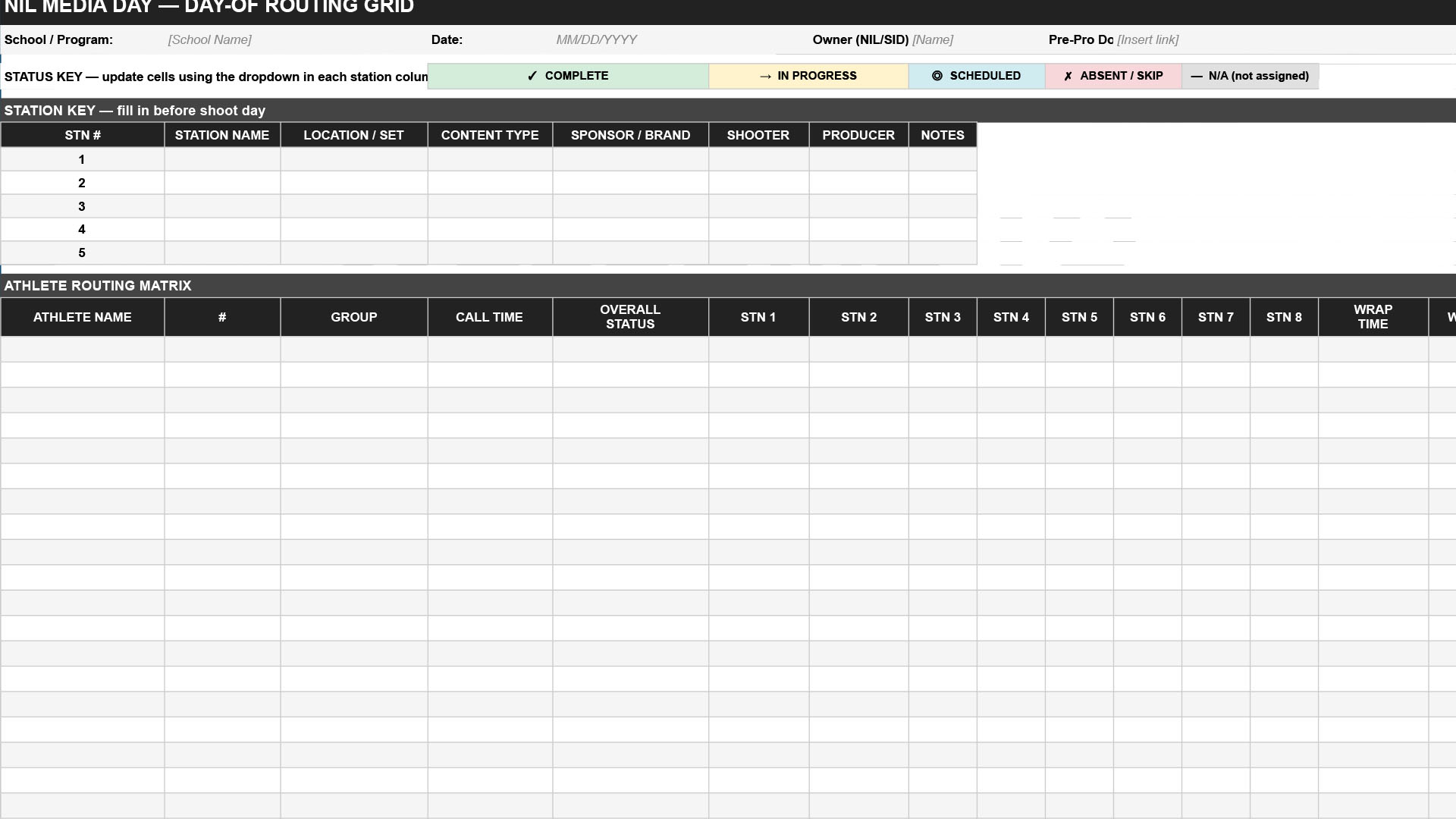
Production templates the network used. Shoot docs, routing grids, and briefs that aligned teams before work started, not after.

Strategy.

A repeatable audit framework that broke down performance, surfaced opportunities, and gave sales and content a shared way to decide what to do next.

Access.

For properties without a dedicated content specialist, a self-serve framework into the same Studios infrastructure: Formats Library, Social Activation Formats, NIL Content by Category, Zoomph, Slate. Structured as a decision tree against the questions a non-resourced property has, with each answer routing back into the same operating system at a tier appropriate to their resourcing.

When the system held, the work held. So the focus wasn’t fixing individual problems. It was making the system reliable.

Results

40+ properties, one shared system.

Before, every property operated differently. Campaigns broke in different ways and fixes didn’t transfer.

After, teams were working from the same templates, the same timelines, and the same source of truth. Work that used to require constant alignment moved without it.

Pre-production templates, routing grids, and audit frameworks became the standard across the network. Properties without dedicated resources had a clear path into the same system.

Insight

The work moves when the system holds.

Branded Shoot pre-pro cover
Media Day pre-pro cover
All-Access External Brief cover
Routing grid snapshot · the operational spine
Property logo grid · LF mark in center, schools/brands around